BARLEY COLLECTION
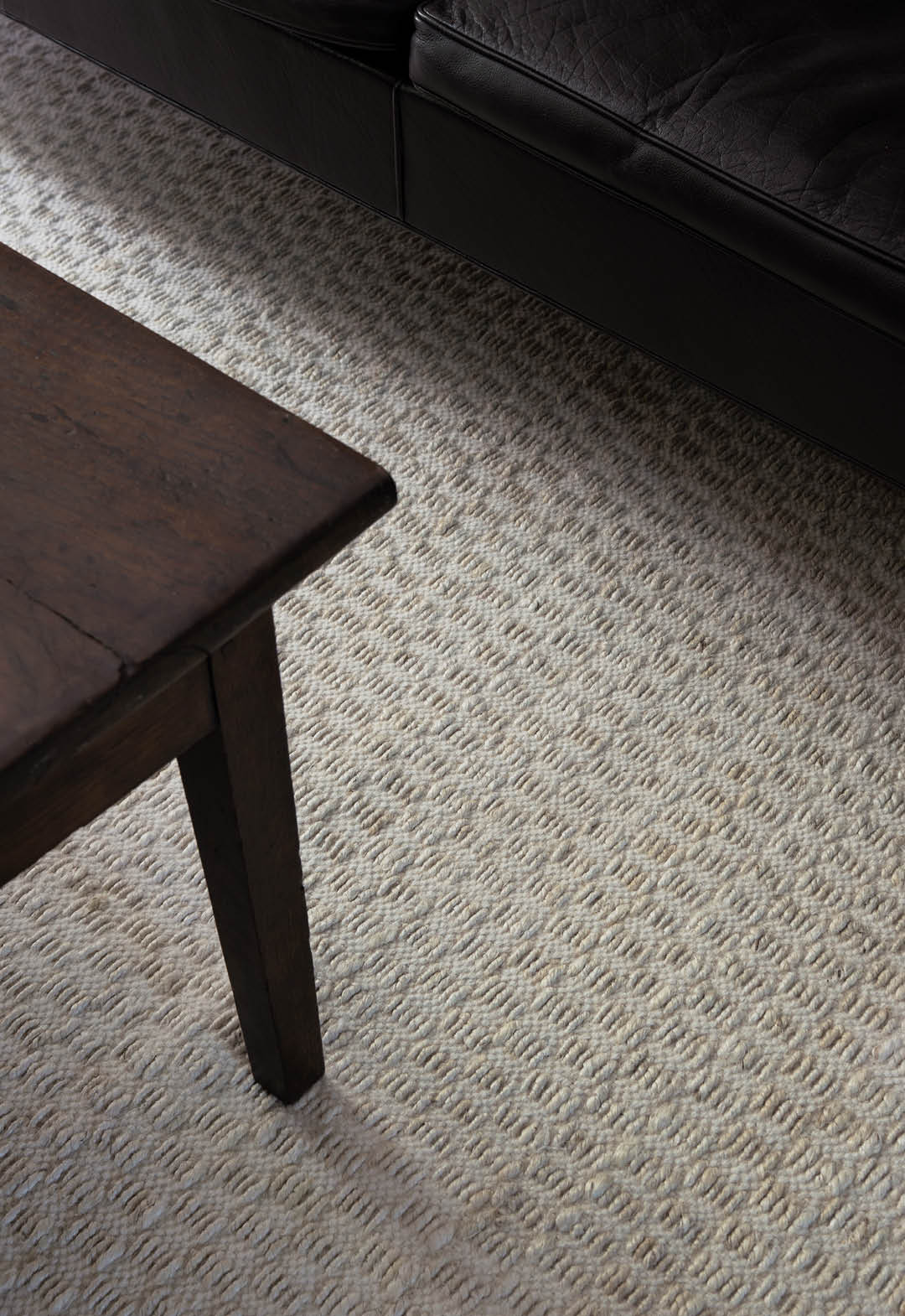
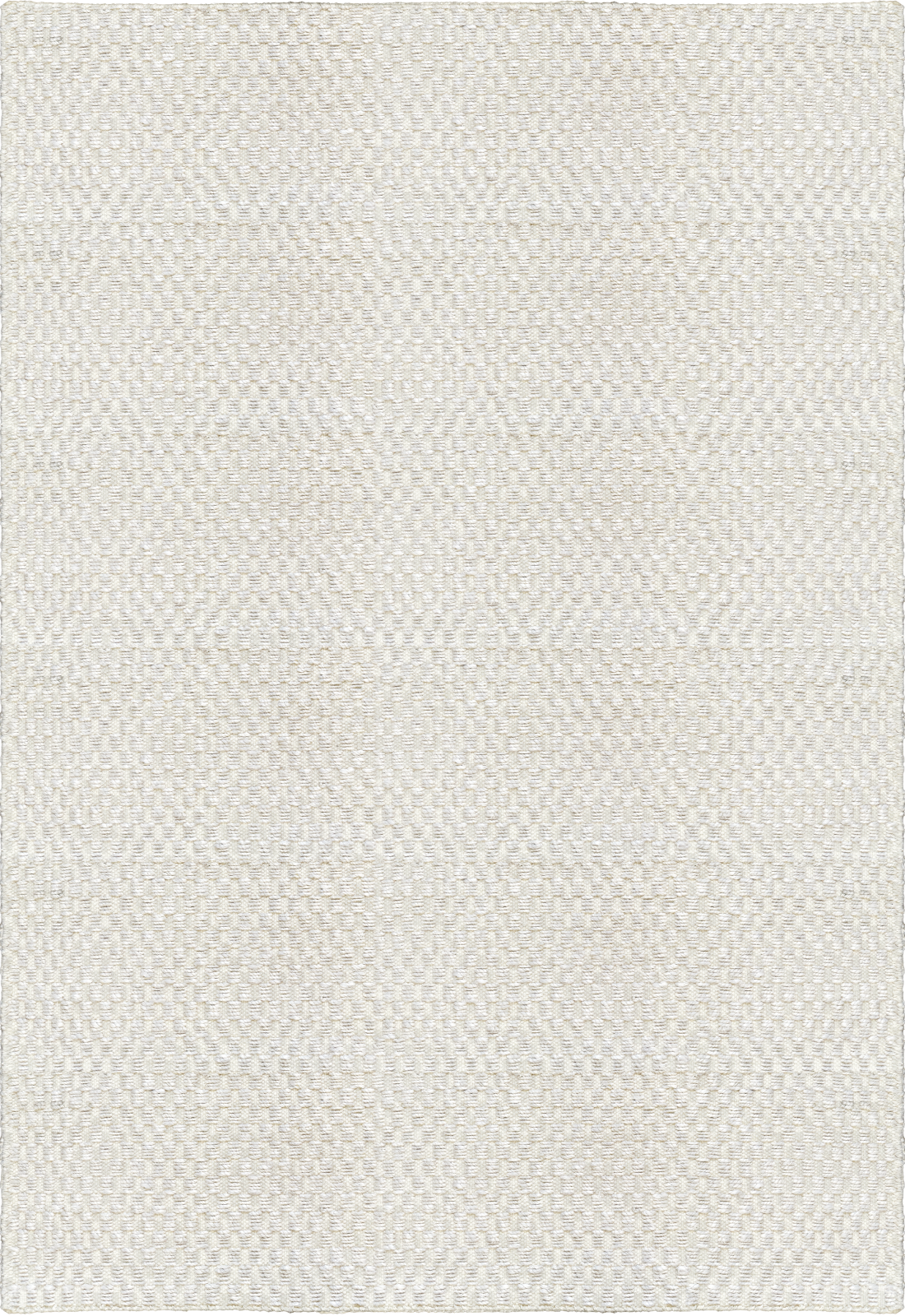
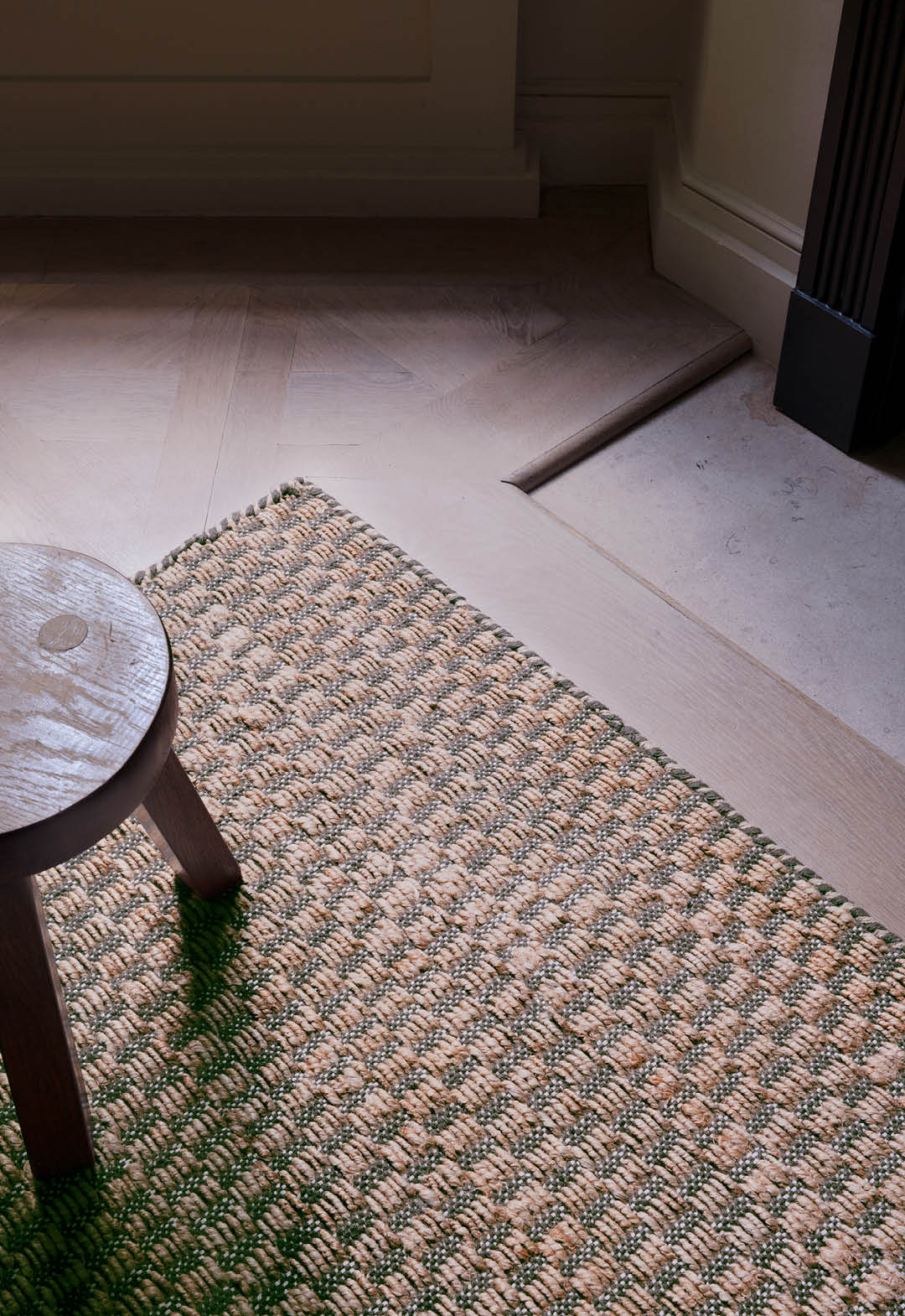
A series of handcrafted rugs designed in Stockholm, where robust jute meets soft, refined wool in a palette built on muted earthy tones. Each piece is hand-woven in Badohi, India, using the time-honoured Punja technique.
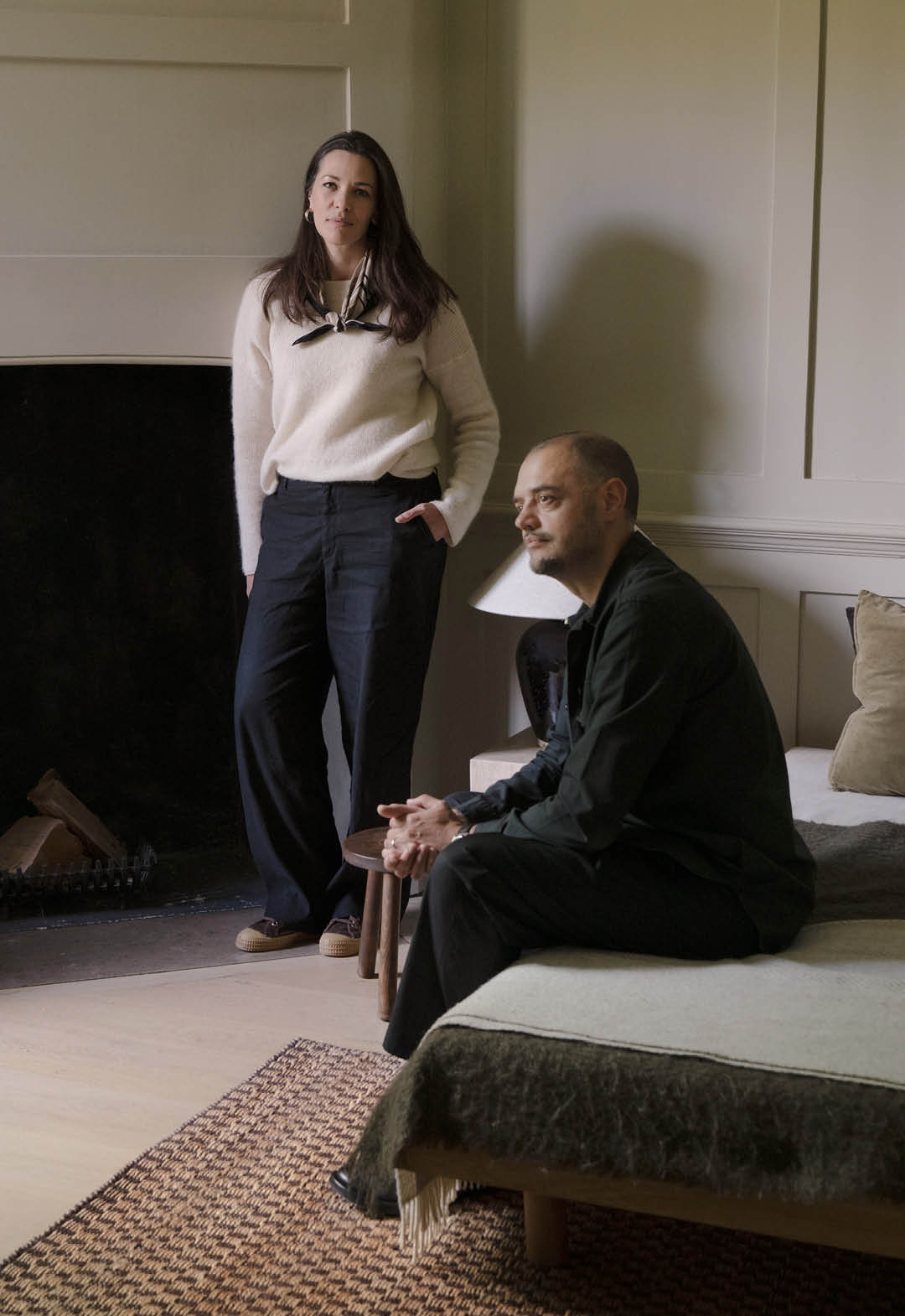
For the photoshoot, LAYERED visited Michelle and Paul, co-founders of the design house Considering Things in East London, to talk about layering, storytelling, and creating spaces that feel genuinely lived in.
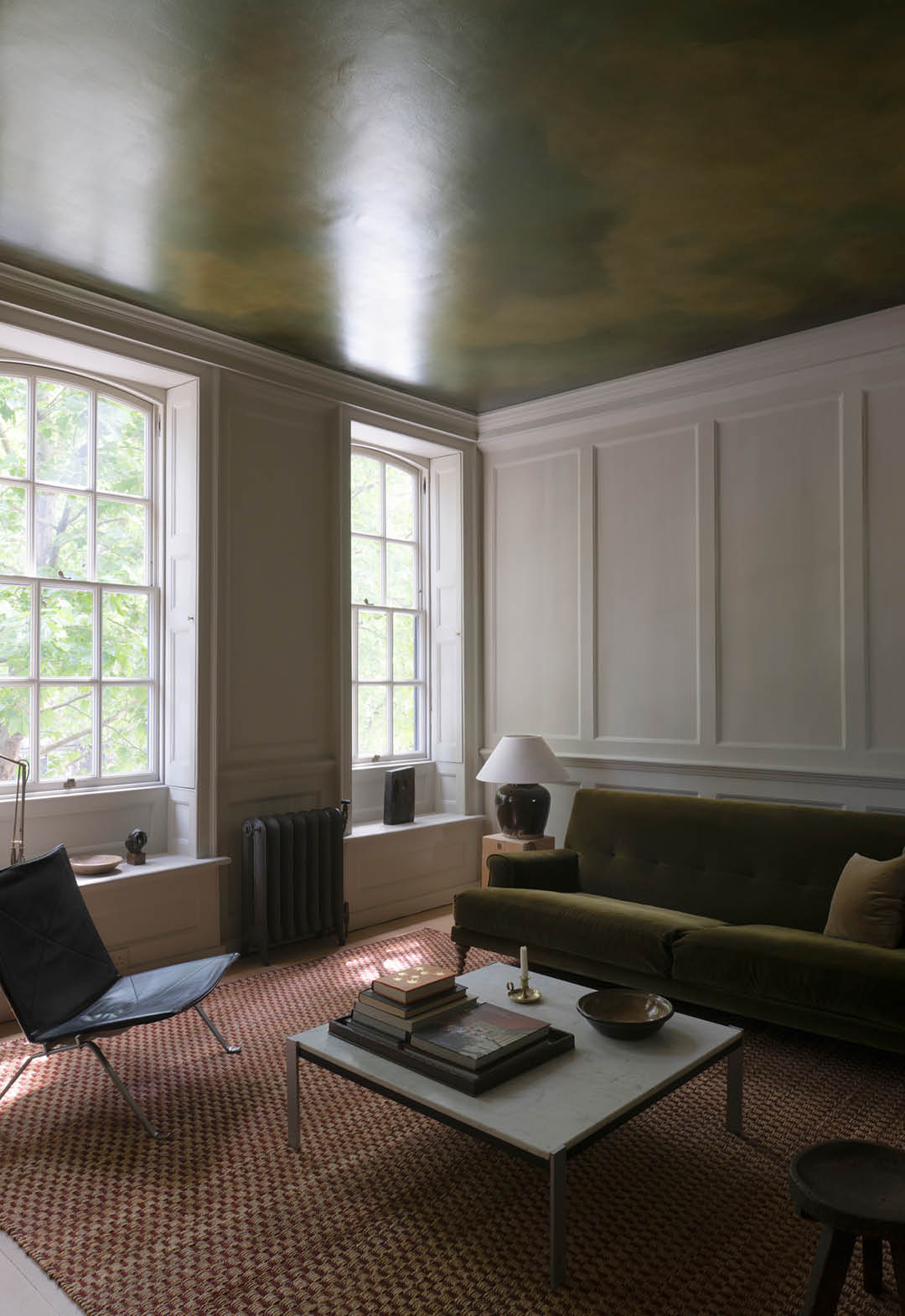
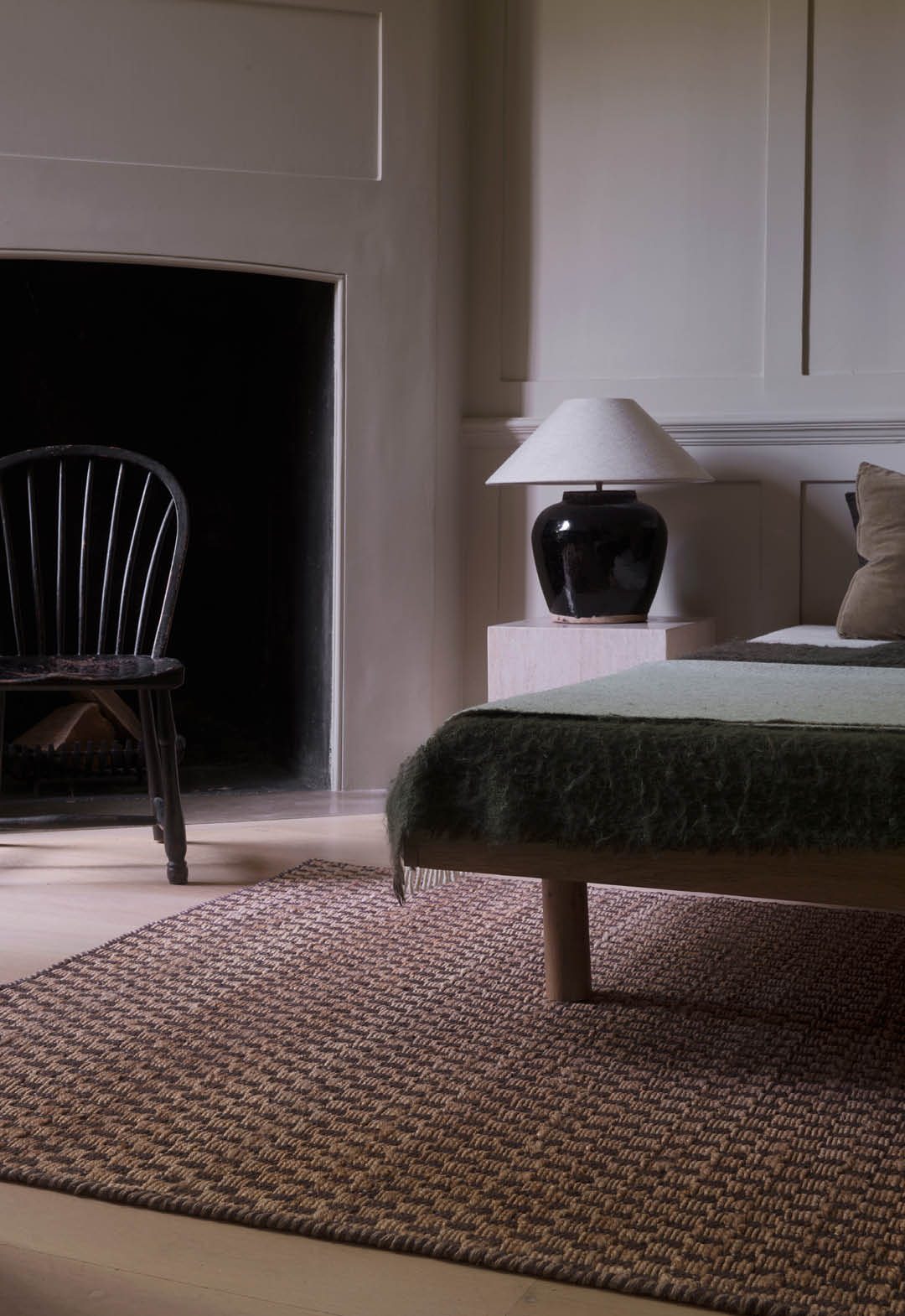
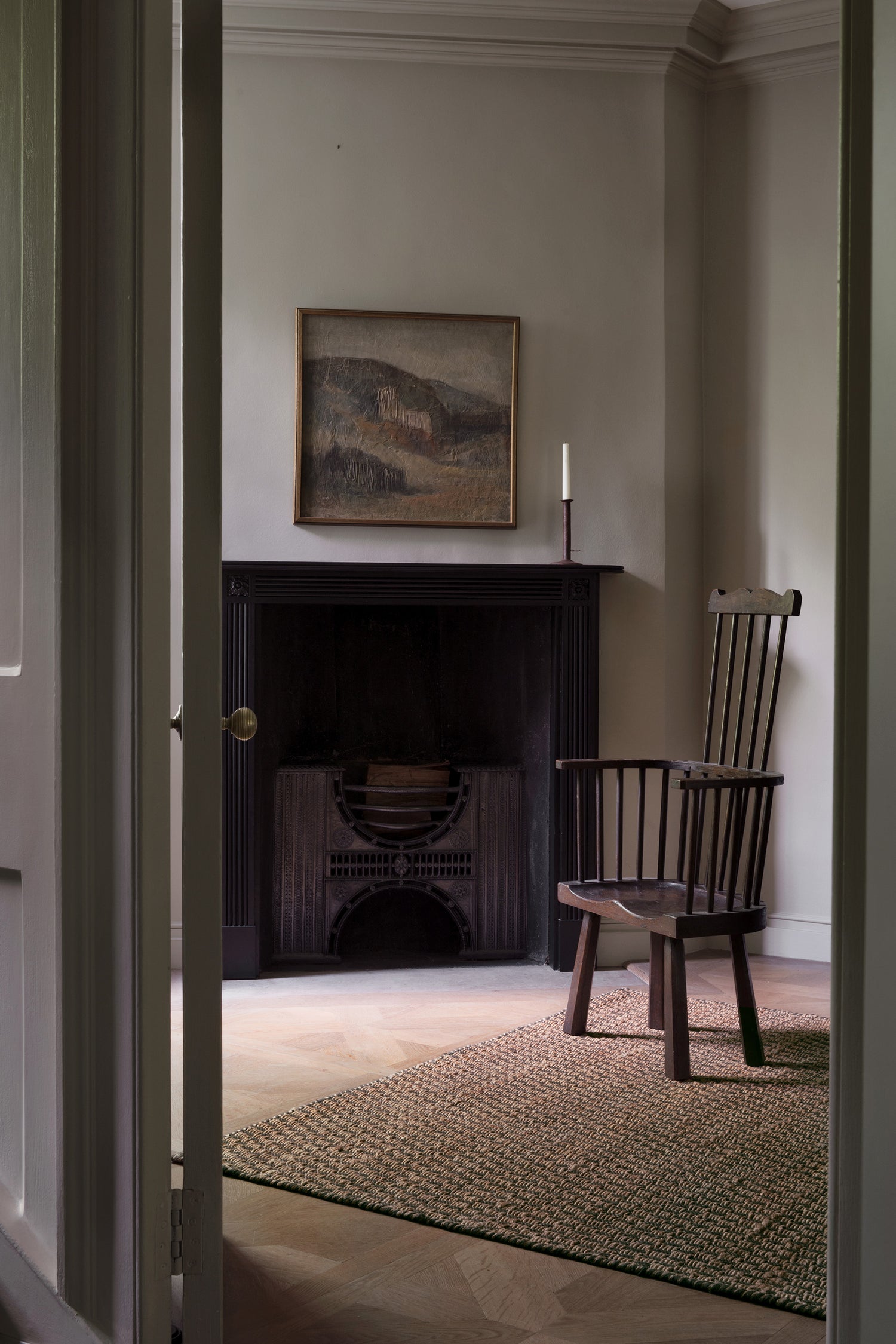
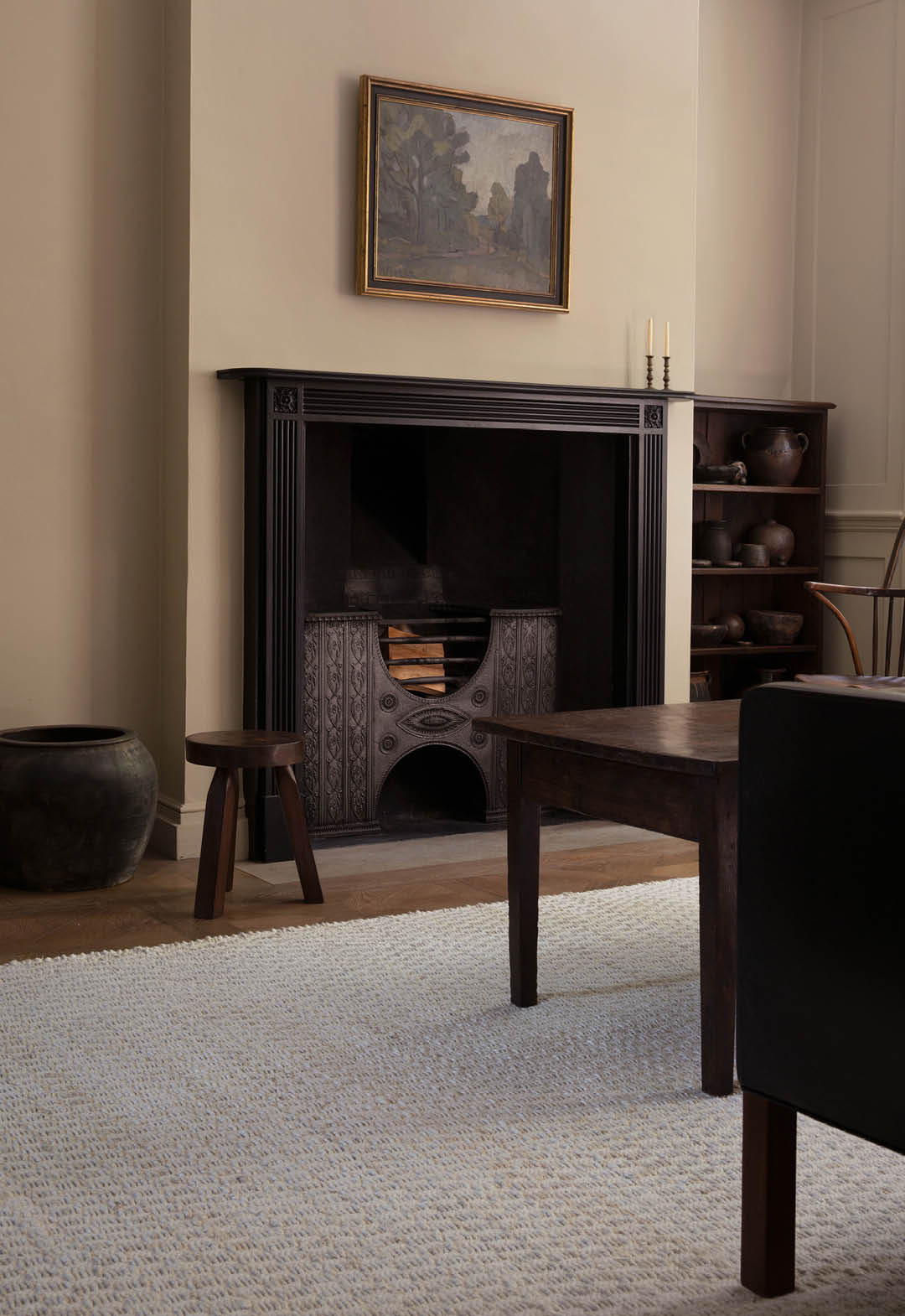
In a living gallery based in East London, the Barley Collection found its natural context.

Paul West and Michelle Bower-West are the founders of Considered Things, a design house and living gallery based in East London. Their home – a Georgian townhouse built in 1717, once rescued from demolition – is both where they live and where many of their ideas take shape.
Tell us about the house. What made you fall in love with it?
Paul: It was the oldest house on the market at the time, and when we walked in it felt magical. Built in 1717, rescued from demolition by the Spitalfields Trust in the 1990s. The proportions, the paneling, the detailing – it was like nothing else we had seen. The house is beautiful even with nothing in it.
Michelle: It was a dark, rainy day, and as soon as we closed the door it felt cocooned and safe. In the early days we had just a rug, a chair and the speakers – that was the beginning of it feeling our own.
What is the first thing you consider when establishing the mood of a room?
Paul: Imagining the daily moments that will happen there, and with a building this old, we believe in working with what's there rather than changing things just to make them different. It's about the lived experience, not just the visual style.
Which piece in your home tells the most special story?
Michelle: A bronze sculpture we found on our honeymoon, in a little gallery on the edge of Tokyo – by a Japanese sculptor who trained with Rodin in Europe. It struck us instantly, but we went away on a walk to think about it, but it was meant to be. It felt strange bringing it back to Europe, because it had started here and then gone to Japan. But as soon as we brought it home, it just lived here.
You've recently started designing your own objects, including lamps. Talk us through the process.
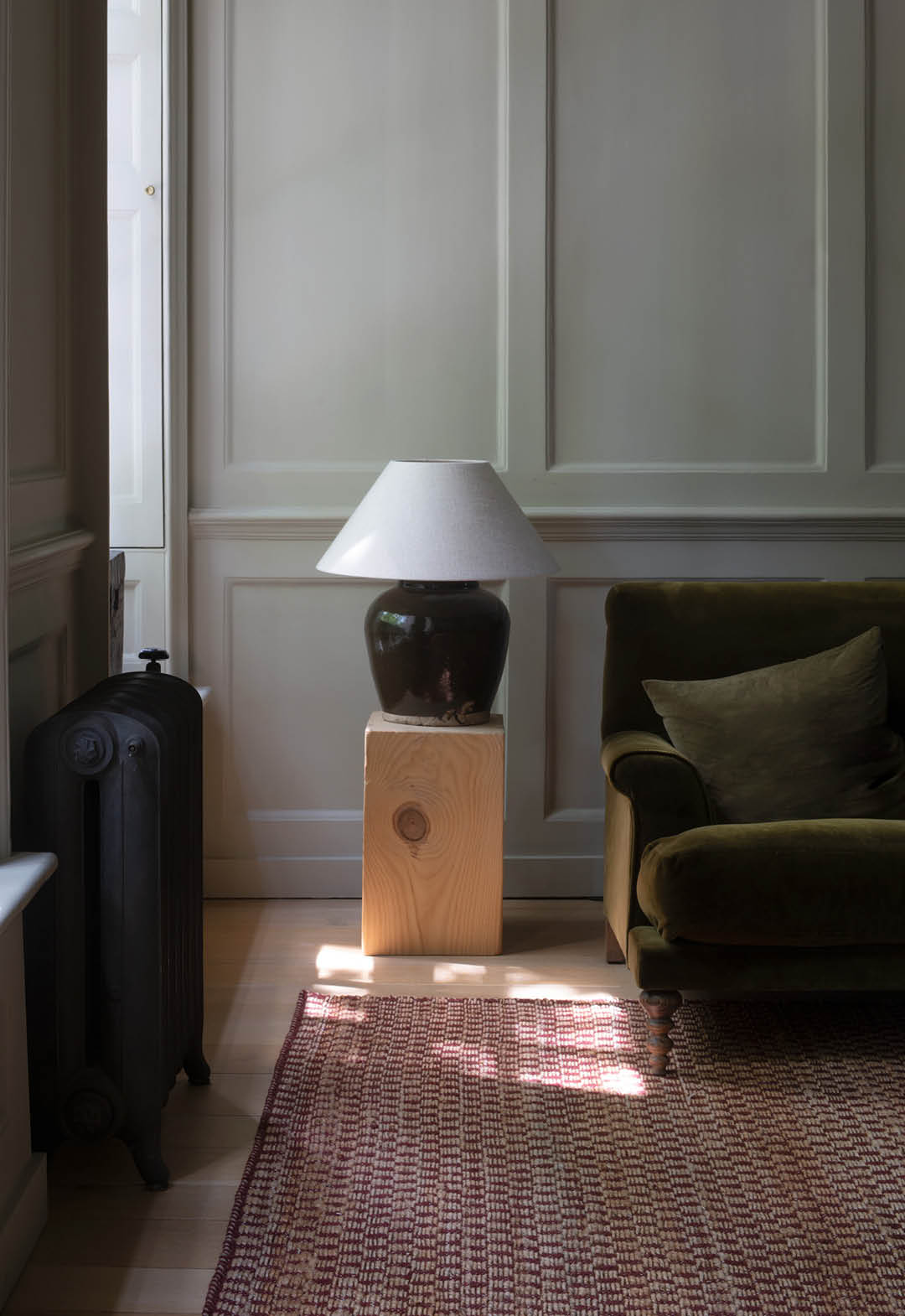
Paul: They're often born out of a need – we've looked for something and it's not quite right. Recently we've been making lamps from antique preserve pots – serving a functional need while also being beautiful whether they're on or off. For us, design is not meant to be 'on a pedestal' – it's meant to be used and enjoyed every day.
Michelle: They have to be practical, but joy-giving as well.
How do your travels inspire what you bring into your home?
Paul: Almost everywhere we travel leaves an impression on us. Recently, that has included Japan, Belgium, France and Italy — places that have shaped how we think about art, design, craft and daily ritual.
We’re drawn to simplicity, restraint and timelessness: objects that are not over-embellished, but made with care, purpose and feeling. Things that are meant to be used, lived with and loved every day. Places such as Kettle’s Yard in Cambridge and Kawai Kanjiro’s house in Kyoto have been especially influential. They show how a home can be more than a collection of beautiful things — it can suggest a different way of being.
We almost always bring something home with us: ceramics, textiles, tools, books or small objects that carry the memory of a place. Usually only as much as we can fit in our hand luggage.
What does "layering" mean to you?
Paul: We live in a house that's over 300 years old, but we haven't tried to recreate a 300-year-old house. There are objects from every era, and it feels coherent because there's always a link between things – the wood, the form, a detail. A 1950s table can speak to a Georgian chair. And nothing is ever fixed; we move things around with the seasons and as life evolves.
Michelle: For me, layering is as much about the backstory of an object. When somebody notices something and you share its story, that's a layering too – a deepening of connection.
What does "home" mean to you?
Michelle: A sanctuary – the one you start your day with and the one you return to. A living, dynamic thing.
Paul: A collection of stories, ideas and moments that create the lived experience.