CRAFTSMANSHIP
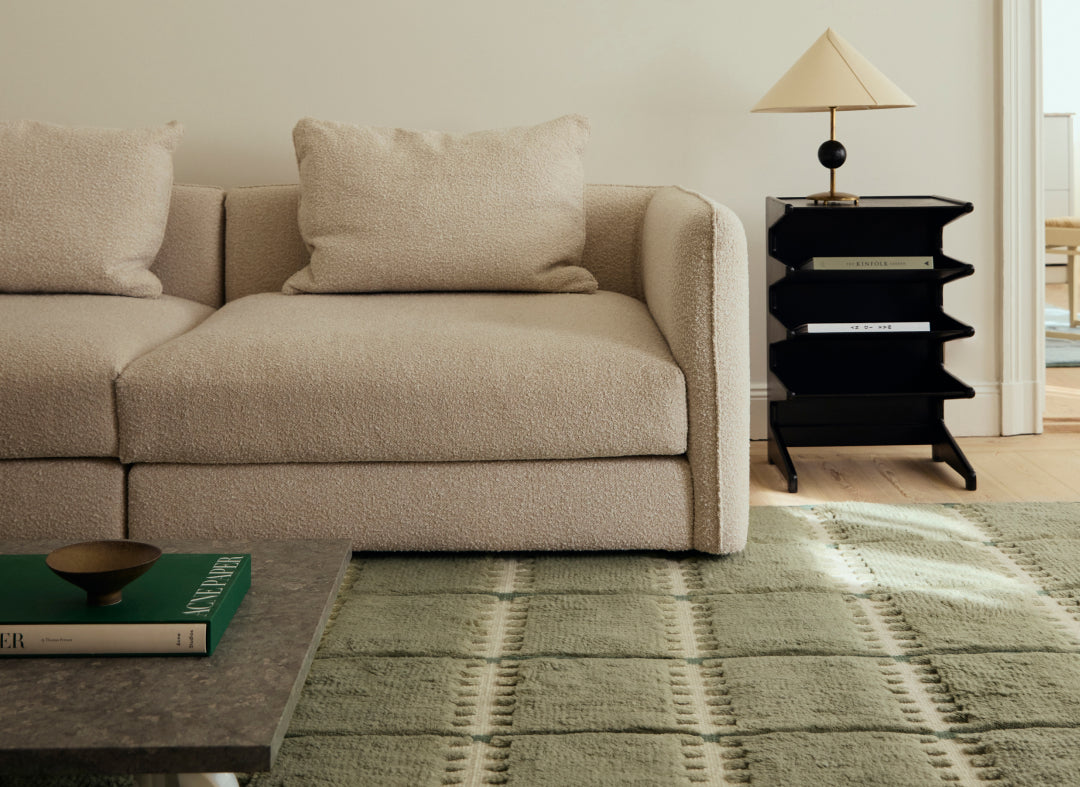
Every idea at LAYERED starts with natural fibers and crafting technique as the foundation. Our vision for a design language always needs to meet our requirements for quality in the first place — a choice that shapes not only quality but responsibility. We work closely with artisans specialized in different handcrafting techniques, building long-term relationships rather than transactions.

Our centerpieces are made by hand, in small batches to meet demand, and shipped by sea to our warehouse in Sweden. We collaborate with two regions renowned for their heritage craftsmanship.
Bhadohi, India: Known for its handmade rugs since the 1500s; hand-knotting, flat-weaving and tufting are separate disciplines, each determining a rug's surface, texture and durability.
Samarina, Greece: Chosen for our shaggy rugs and their specialized flokati technique and the finishing process that sets all apart. After knotting, each rug is bathed in ice-cold, rushing water in man-made waterfalls that recreate the natural force of a mountain stream.
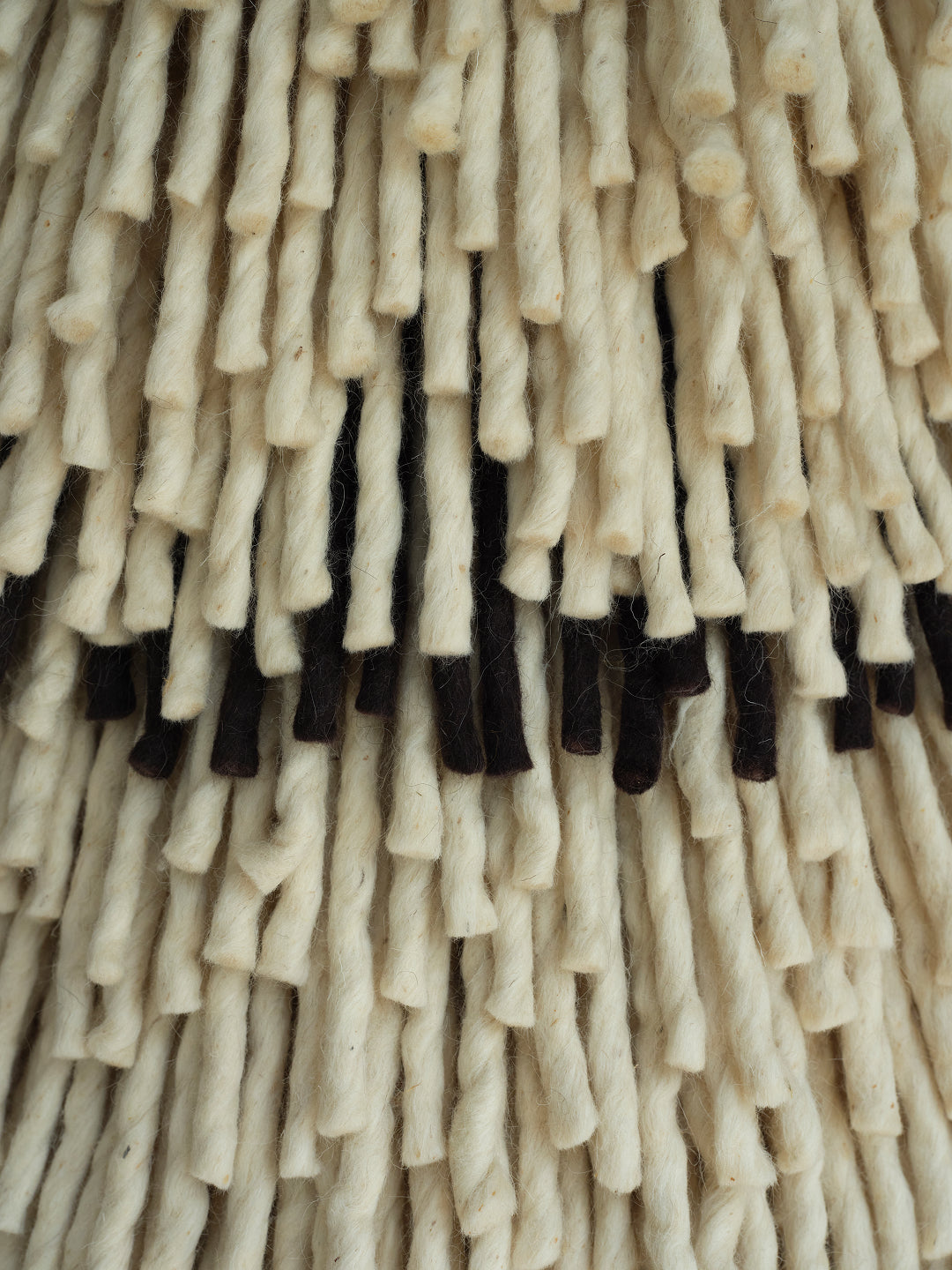
Every material we use is certified against internationally recognized standards for quality, safety, and responsible sourcing. Before production, each collection is tested for colorfastness, chemical safety, and durability to meet environmental and regulatory requirements.
Below is an overview of the tests and certifications our collections meet.
TESTS
ISO 105 B02
An international standard for testing colorfastness to light, measuring how well fabrics resist fading over time.
ISO 105 X18
A standard for consumer products that evaluates colorfastness in rugs and resistance to phenolic yellowing.
16 CFR 1630
An international standard for testing the flame resistance of a consumer product — how resistant a product is to fire.
ISO 105 X12
An international standard for testing colorfastness to rubbing, ensuring fabric dye durability during wear and use.
ISO 14362-1:2017
An international industry test verifying that Azo dye levels, commonly found in bright colors, meet approved limits.
AATCC 20 / 20A
An international standard that uses microscopic examination and chemical analysis to verify the origin and quality of the fiber.
ISO 14184-1
A method for detecting free and partially hydrolyzed formaldehyde in textiles through water extraction to prevent overuse and harm.
Regulation (EC) No. 1907/2006
An international standard for regulating the chemical compound quinoline, which may occur in the dyeing process.
Hexapod Test
An international standard and test that evaluates the abrasion resistance and durability of a product.
BPA Test
A test for rugs verifying that Bisphenol A (BPA) levels remain within safe, regulated limits.
CERTIFICATIONS
Goodweave™
Verifies that the product is made without child labor and under fair working conditions, through regular inspections at production sites.
GRS ISO 14021
The Global Recycled Standard is an international certification for tracking recycled content and regulating harmful chemicals in production. The polyester fiber in our rugs is certified to meet GRS requirements.
Oeko-Tex
Oeko-Tex Standard 100 is an international certification confirming that textiles are tested for harmful substances. The viscose fiber in our rugs is tested and certified free from harmful chemicals under this standard.
Lenzing
The viscose fiber in our rugs is produced by Lenzing from cellulose sourced from certified forests. Our viscose and Tencel rugs use certified Lenzing yarn, tested free from harmful chemicals under the standard.
Textile Certifications
LAYERED's textiles are certified to meet standards for sustainability, safety, and environmental responsibility. These include REACH Regulation, EU Ecolabel, Oeko-Tex Standard 100, Chrome Free, Greenguard, and ISO 14001:2015.
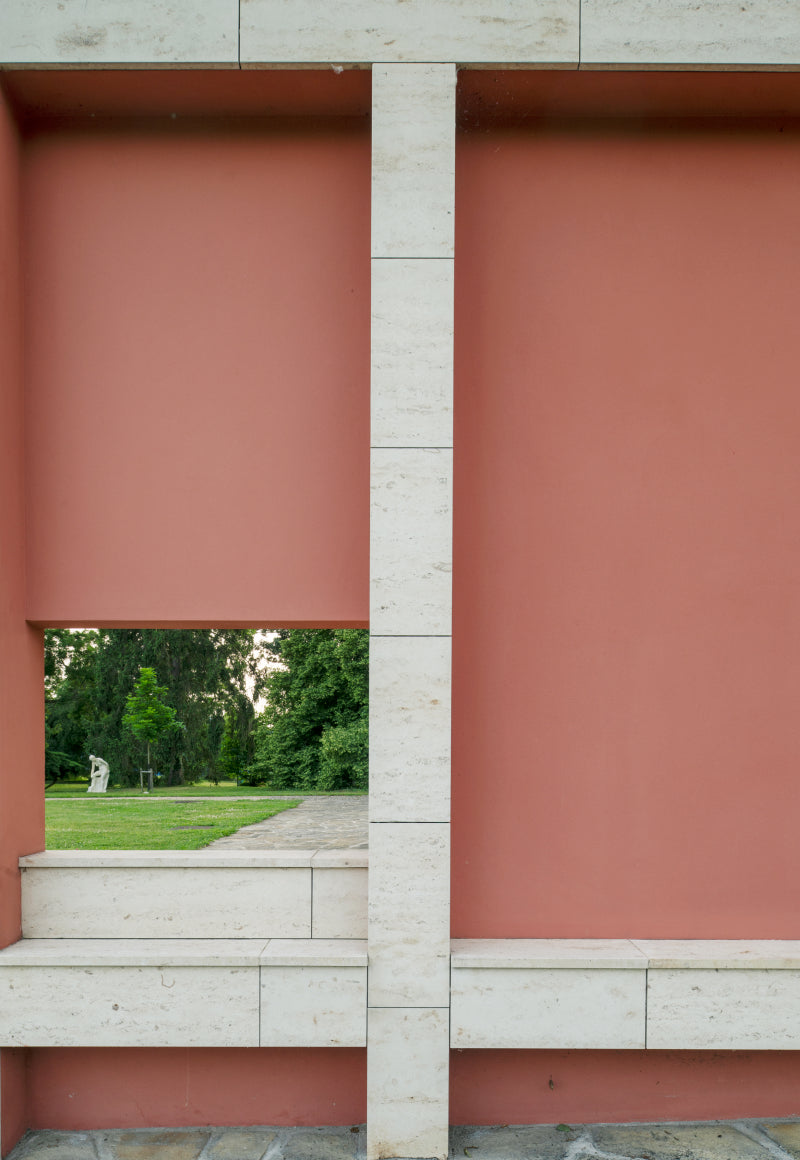
LAYERED's design language is inspired by art and culture rather than trends – references that hold up longer than a season.
Each collection takes shape in the Stockholm studio, by the in-house design team together with founder and creative director Malin Glemme.
As art and culture are at the core of LAYERED, we are constantly exploring how that can be transformed into handcrafted textiles. By collaborating with artists and designers around the world — from established names to lesser-known talents who deserve their place in the spotlight — we define a new perspective on what Scandinavian design can be.